
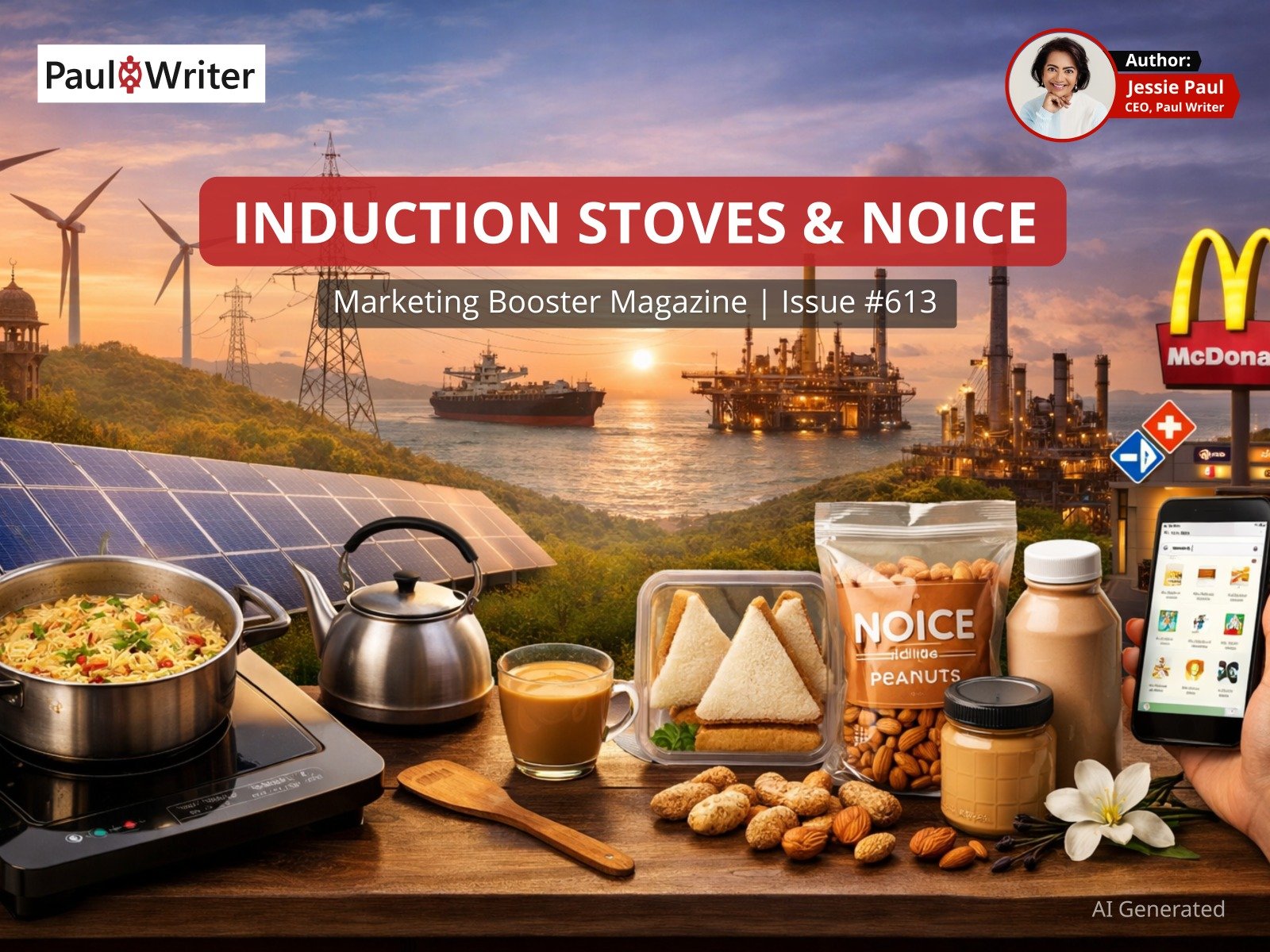
I made Maggi noodles and tea on a hotplate during my hostel years. Electric cooking devices have largely played second fiddle to gas powered ones in India. Power supply is not reliable, while gas supply has improved and prices are subsidized. But the makers of induction stoves are in for a sudden bonanza! As soon as I heard of a disruption to gas supplies I ordered myself a modern hotplate a.k.a an induction stove. Fingers crossed that it shows up.
Will this be a long term shift in how India cooks? Depends on how the brands approach this. And of course on power reliability. Over the years India has reduced its dependence on coal, so electricity is mostly based on domestic resources – take a look at this NITI Aayog chart.
By next week we’ll know more – whether India chooses to wait out the Straits of Hormuz blockade by restricting consumption or finds another solution to getting oil.
What about NOICE?
Swiggy’s inhouse brand, NOICE, got a shout out from Karthik Srinivasan in my marketers group. It claims to be small batch and “hand crafted” and targets both daily consumption like sandwich bread (with innovations like crustless and triangles) along with treats like boiled peanuts. It obviously benefits from the huge amount of consumption data that Swiggy owns.
Amazon also has an in-house brand, of course, so this is not a new concept. But quick service, where we buy many low-engagement items, is a happy hunting ground for this. Good packaging, ingredient listings, and FSSAI supervision make it easier for us to try new food products even if we have not heard of the brand.
Unlike supermarkets where brands have had to compete with store brands for years, quick commerce allows them hourly access to our homes and phones. They know when you’re running out, how many bottles of shampoo you consume, whether you have diabetes, are building muscle and are consuming prescription medication too. In a VUCA world this is a huge asset!
Despite this there are brand loyal customers who are NOT buying NOICE! The secret weapon is of course smart marketers who can build product differentiation and customer preference. I also think there are those who want to simplify their life by buying the same shampoo or soap their parents and grandparents did.
What can marketers do?
It is a very confusing world. Even as we are dealing with rising energy prices and falling supply, US tariffs are under discussion for many countries. On the other hand, consumers seem to be interested only in high quality clean protein in every item in their consumption basket, and it should taste and smell like vanilla.
The only recourse is to get as close as possible to your consumer and watch for the latest trends that Instagram surfaces. There are also global trends like nationalism which have a large impact for all companies. (How do McDonald’s and KFC and Domino’s market US soft power while dealing with a gas crisis in India?)
The looming challenge for marketers is ensuring your product remains engaging enough that customers don’t outsource its procurement to AI.
Let me go google energy efficient vanilla recipes now.
Have a good weekend!