
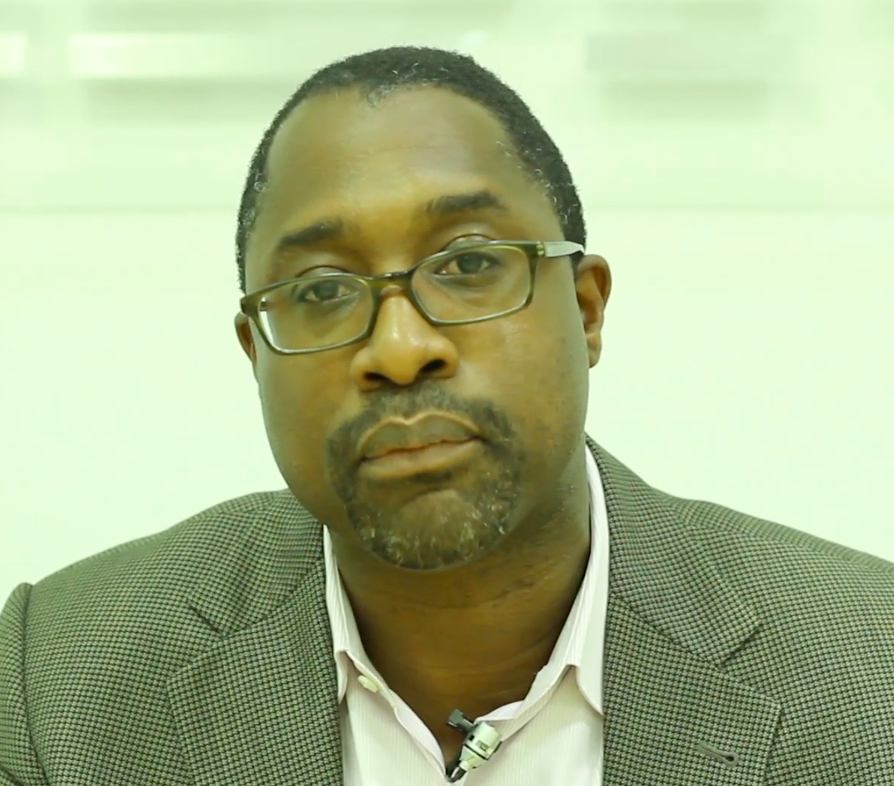
Kareem Yusuf is the Vice President of Development, SaaS Delivery & Business Operations, Enterprise Marketing Management, IBM Software Group. He is responsible for software development and SaaS operations for the Enterprise Marketing Management Portfolio in IBM.
Dr. Yusuf has been with IBM for 15 years, joining IBM’s software development lab in Hursley, UK after completing a Ph.D from the University of Leeds, focused on Decision Support Systems for Civil Engineering construction. Outside his day-to-day duties, he maintains an active interest in all things technical, with a particular interest in digital media and programming languages. He is the author of Enterprise Messaging Using JMS and IBM WebSphere.
Here’s an exclusive interview with Dr Yusuf during his last visit to India where he talks about the future of analytics, personalization and more.
How do you see Indian Marketers responding to analytics as a tool for better targeting?
What you will observe is that all marketers, indeed in India and the world in general, are focused on being personalized because the data shows that the more you can deliver to an individual an offer that resonates with them, the better result you can get. Analytics allows us to understand the behavior that an individual has exhibited and allows you to become much more targeted in the manner you engage.
So what kind of analytics are we talking about here? We are talking about behavioral analytics, we are talking about what are people doing on a website? What behavior are they showing in any given channel? What did they respond to? All that data becomes particularly relevant and important in being able to then deliver a personalized offer that makes sense. This is why it is important to Indian marketers in particular and indeed I would argue even to the marketers around the world in general.
I think the key phrase that all marketers are focused on is operating in context so whether you think about it as delivering an offer to someone’s mobile phone as they walk past your particular shop to bring them, whether you think of it as recognizing a world event or life event; marriage, death, birth and delivering offers that are relevant to that particular event at that time or whether you think about it just in terms of responding to a continuous stream of engagement and delivering value that progresses or addressing a particular incident like a dissatisfaction with the service and solving that problem. Everyone is trying to use analytics to understand so that they can engage in a relevant
manner.
Can you elaborate on the term “operating in a context” that you have used earlier and personalization?
When I talk about real time personalization or personalizing in context, a good way to think about examples is to think about life events or think about what an individual is doing at a given point in time. If you take a retail or e-commerce example, a very common illustration is using analytics to understand what an individual is doing on a web page, maybe browsing certain goods and then presenting an offer to help aid conversion as in they pick that good and buy it.
Another good example to think about is travel, we all travel and often when you are travelling by air, you have a situation where your luggage doesn’t make it onto the plane. If you think about situations like lost luggage or even flight delays, being able to use those events to trigger an actual personalized message for example, informing as you get off the plane that your luggage didn’t actually make so you’re not being stood at the baggage claim waiting for your baggage and potentially associated with that could be an offer to alleviate the inconvenience. These are ways in which many of our clients working with our technologies allow themselves to deliver marketing in a way that’s relevant. A phrase we like to use is “Marketing that feels like a service” because it informs and enables their customers to move on through that particular life event.
Your view on marketing as a service (Maas) and its relevance today?
When I think about ‘marketing as a service’, there are really a number of things that this phrase means to me. On one level, it can mean marketing that is relevant so that it feels like a service to the end customer or the end target of that marketing. It’s important to understand that when we talk about the evolution of marketing and moving from mass marketing to a more personalized marketing, a key objective is to deliver marketing like a service. Now there is also a much more technical definition related to marketing being delivered and capabilities being consumed in a different way from traditional models and once again this is becoming a conversation topic because it speaks to how our clients want to consume technology, to build skills around that technology so they can actually get on with the business of marketing.
Can you elaborate on IBM’s approach towards Maas?
So when I think about marketing as a service from a technology perspective, there are a couple of key elements. First of all, there is the actual technology itself, technology that enables the marketing automation, technology that enables analytics and how all of that comes together and allows marketers to understand and engage with their clients. Often what you find is many clients are looking to consume that capability as a service from what we would literally term a cloud deployment model. The reasons for that are varied but they tend to reflect a way in which clients wish to consume technology and the business model under which they want to engage with.
We at IBM obviously focus on delivering those kind of capabilities in whatever manner suits and how our clients wish to consume them. The other element that is often associated with the discussion of marketing as a service is the skills element, the actual skills associated with leveraging the technology or the products, the capabilities or the software, the service in its own right to actually do marketing. Some people here refer to this as a marketing service provider character model where you are also providing the marketing analyst who are using the analytics and the campaign tools to help execute the business of marketing. So marketing as a service can be looked from both dimensions as a way in terms of consuming technology, to solve the marketing problem and as a way to look at skills and the gaining of those skills that actually allow you to execute the marketing processes.



Enjoyed watching the videos.
Marketing as a service is a concept that we are focusing in our organization. Good to listen to your views.
Thanks for sharing this