What is influencer marketing?
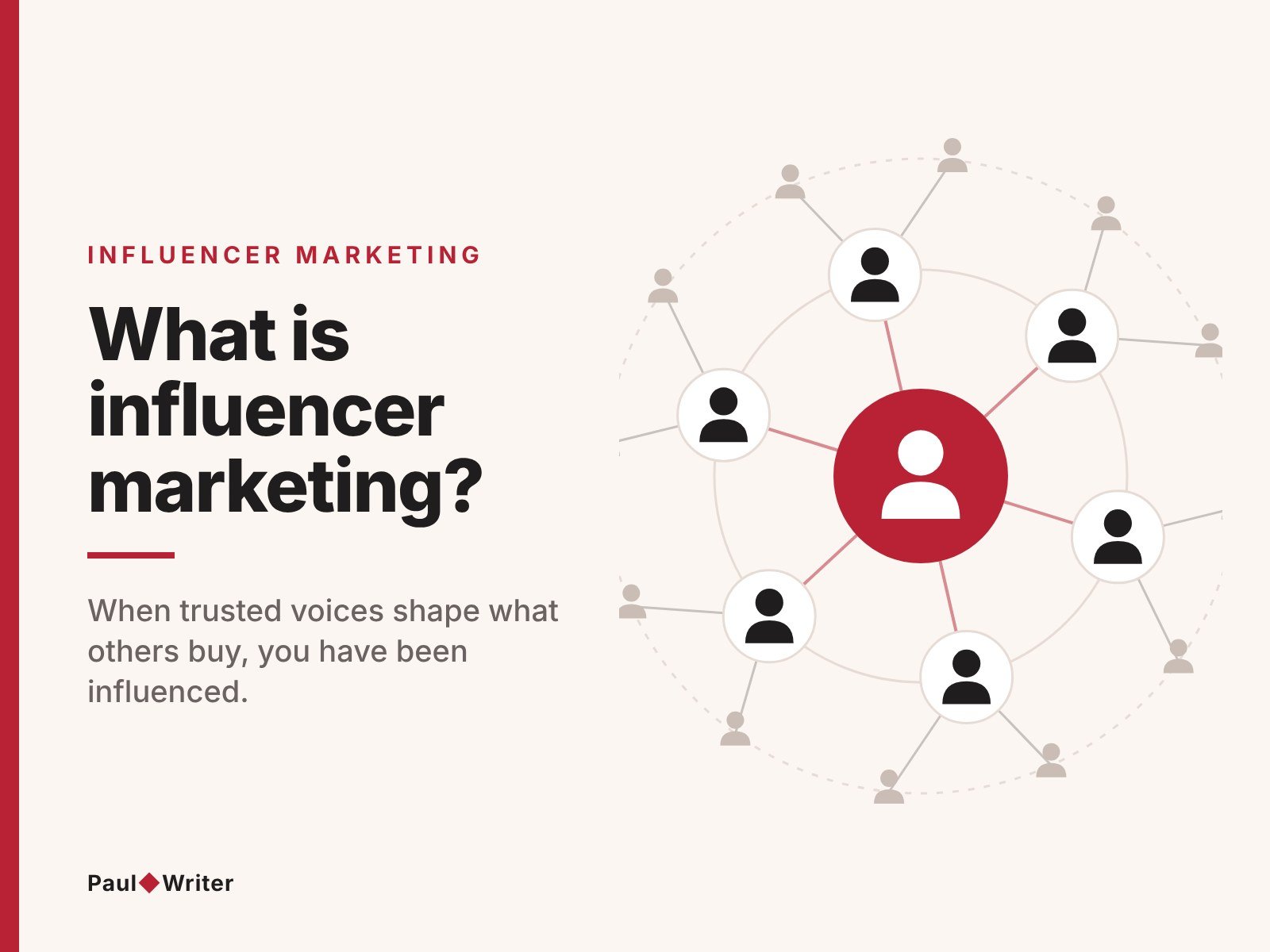
Think back to the last time you bought a product or discovered an exciting new spot to hang out. Can you recall how you first learned about them? Were they recommended to you by family, friends, colleagues, or people on social media? If yes, then you were influenced!
Influencer marketing is the fastest growing reputation building method today, but without a proper framework, you can never unlock the full potential of your campaign.”
Why is influencer marketing important?
In today’s digital world, people rely heavily on the Internet to find information about new products and places. We all trust reviews and personal experiences of others on the Internet when deciding on new products and places. And social media peers are known to offer valuable feedback and recommendations on new products.
To learn more about how influencers form a key pillar of persuasion check out my video seminar.
As a result, influencer marketing platforms have exploded. Unfortunately, many brands and marketers have failed to realize the importance of a proper framework. If you’re willing to learn how to build one, then keep reading.
Before we delve deeper into this topic, it’s important to note that everyone in the blogging community is not an influencer. But each participant in the influencer marketing industry has key roles that we’re going to look at.
First, a brief overview of Influencer Marketing
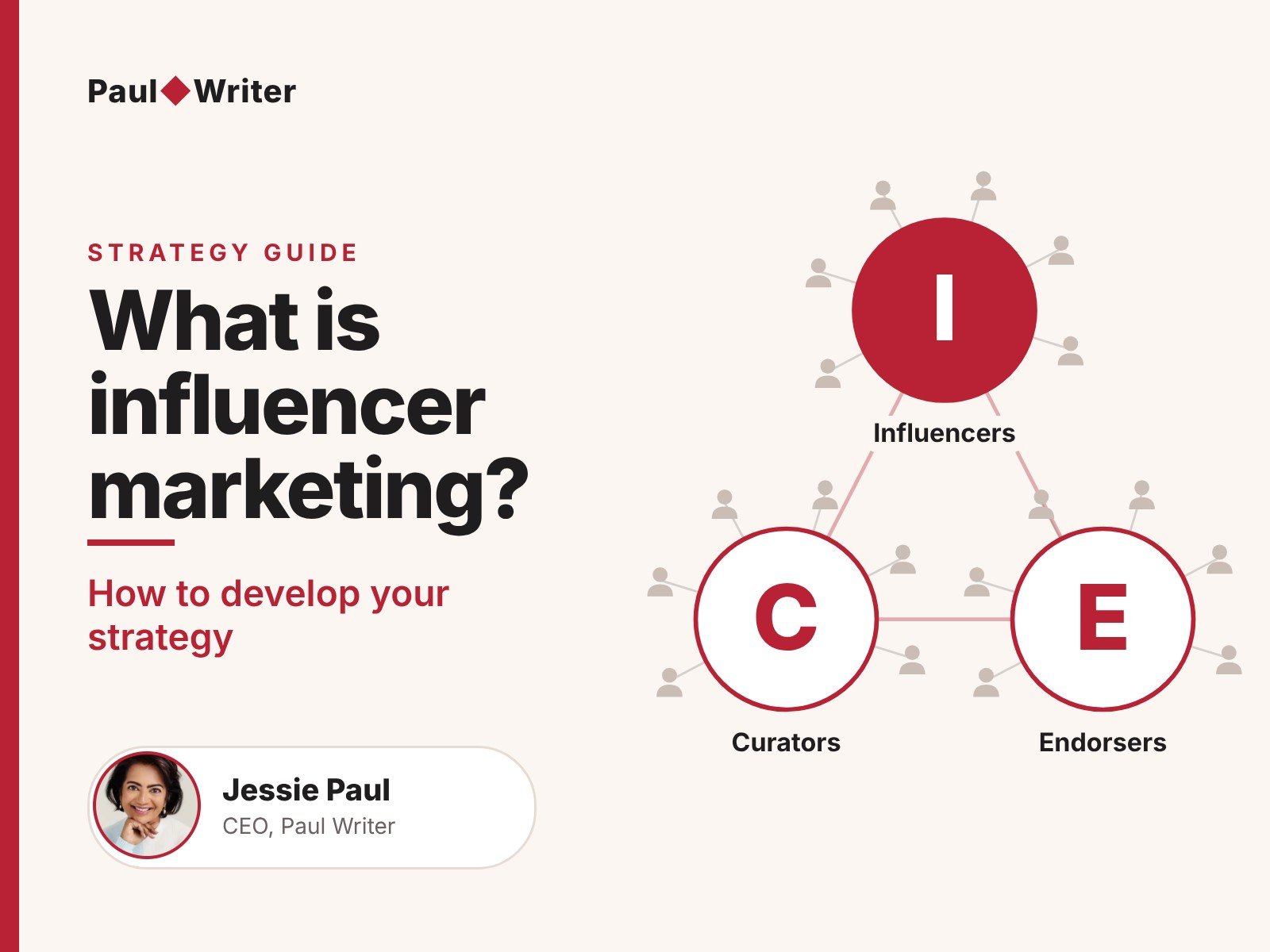
The ecosystem consists of three major players that I describe with an easy to remember mnemonic as ICE:
Influencers
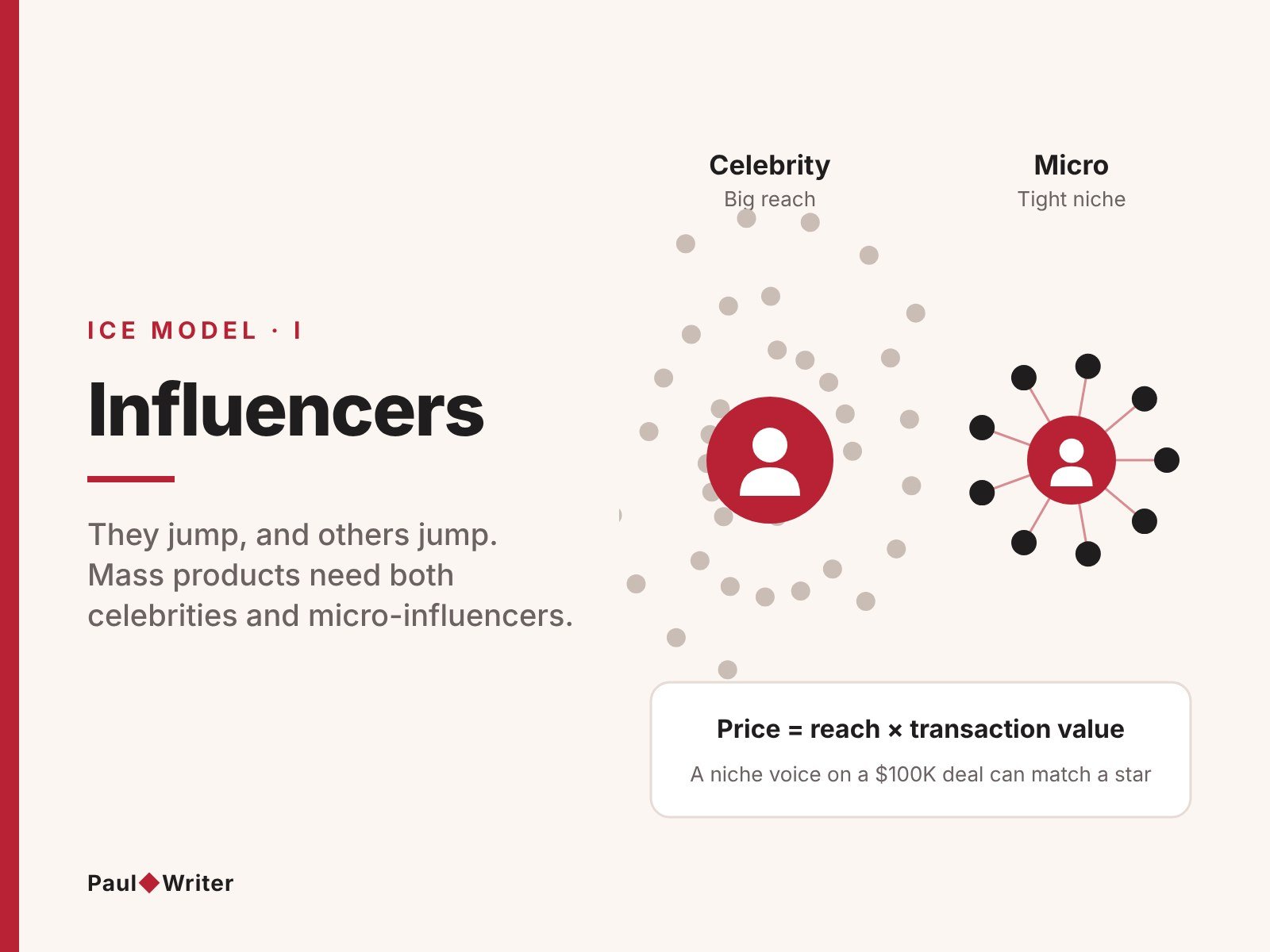
An influencer refers to someone who has the power to sway the buying decisions of others. It basically refers to an individual who has persuasive authority over or is trusted by a particular group of people. They jump, and others jump; they use a product, and others are eager to use it too.
Not all of them have the wide reach of a Kim Kardashian or Virat Kholi, but to be in this elite club, their followers must follow.
Celebrities are influencers with a big reach. Micro-influencers can shape the opinions of those in their networks. If you are a mass product you need both. But if you sell to a well-defined niche, micro-influencers can suffice. Pricing of these influencers is a combination of reach and transaction value.
For example, I may be a niche martech influencer but if the deal size is $100,000 my value may be equal to that of a big beauty influencer.
Curators
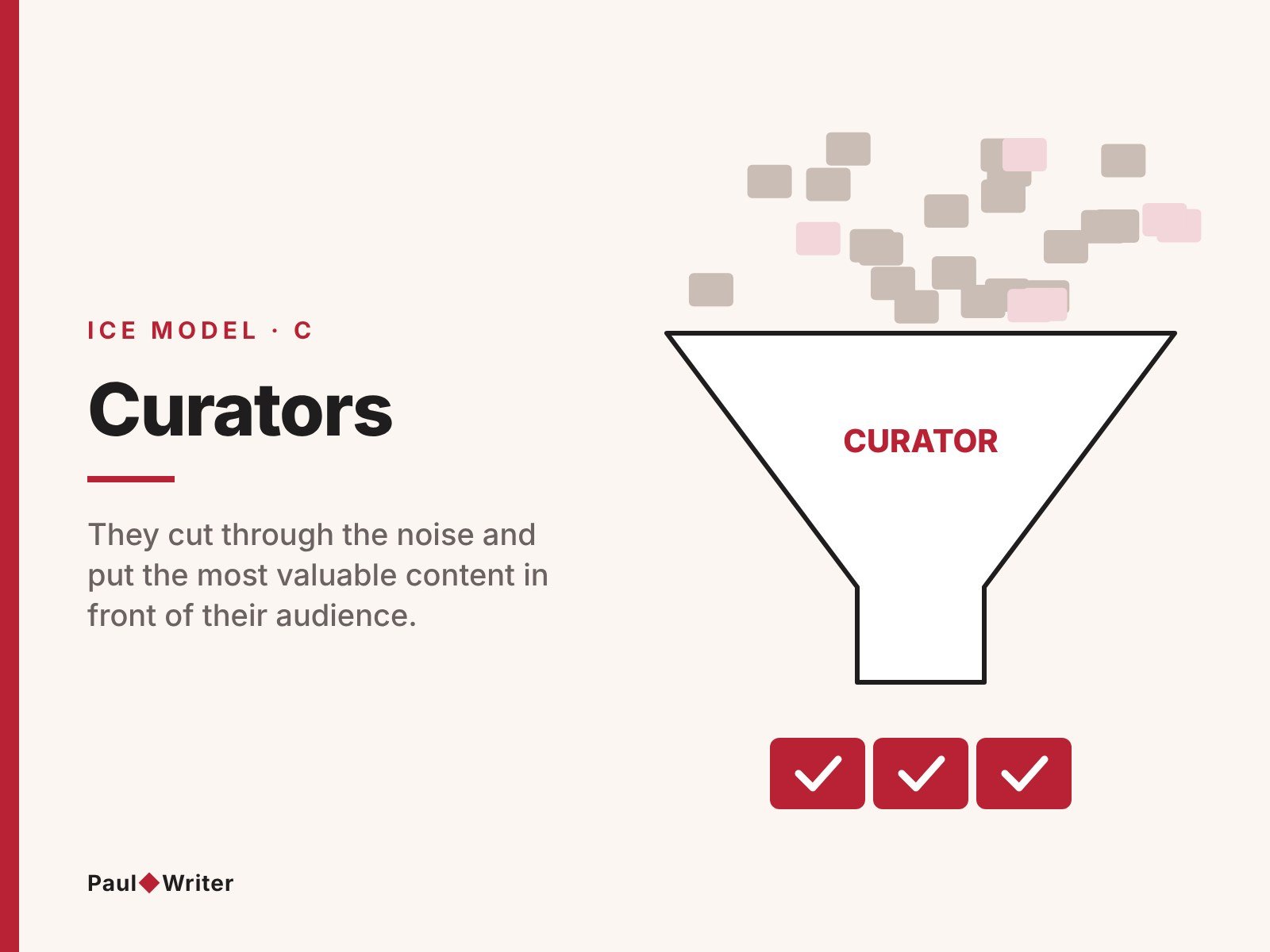
In a world where there is so much information available, a curator helps a particular audience find the content that is most valuable to them. These folks are the people who spice things up and put relevant information in front of their followers. Thus they help them make informed decisions. You want to know how to use a niche ingredient or how to make your photos pop… this is the content you need.
Curators can be individual publishers or a big media outlet. Pricing depends on transaction value and reach.
Endorsers
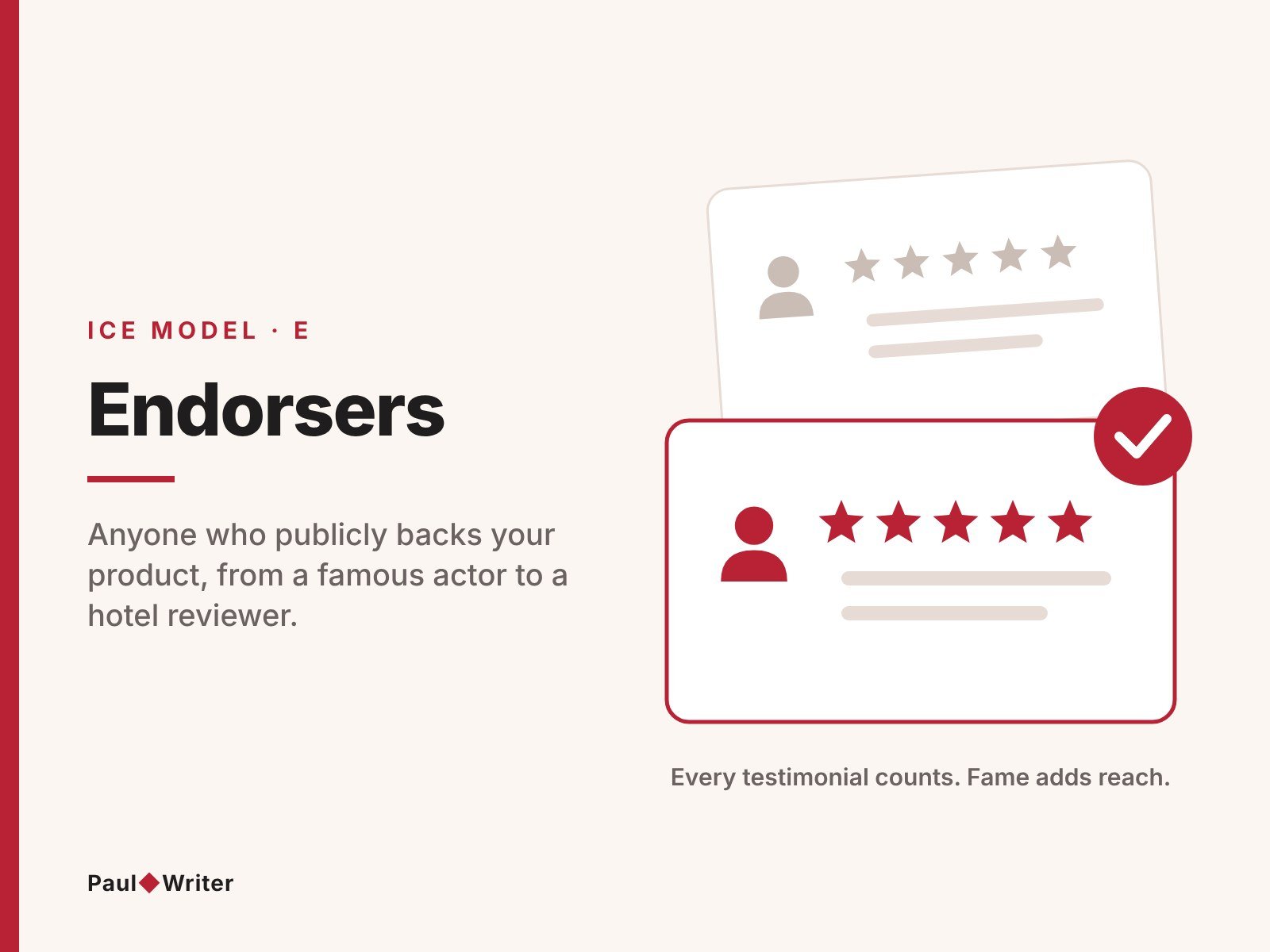
This is someone who publicly gives approval or support to your product. It can be a celebrity or a regular Joe on TripAdvisor writing a review about a hotel.
Some people will tick all the boxes in your target ecosystem, while some will tick less.
Every customer testimonial you get is an endorsement. But if, for example, a famous actor endorses your product then you get additional credibility and reach.
3 important steps to grow your business with influencer marketing
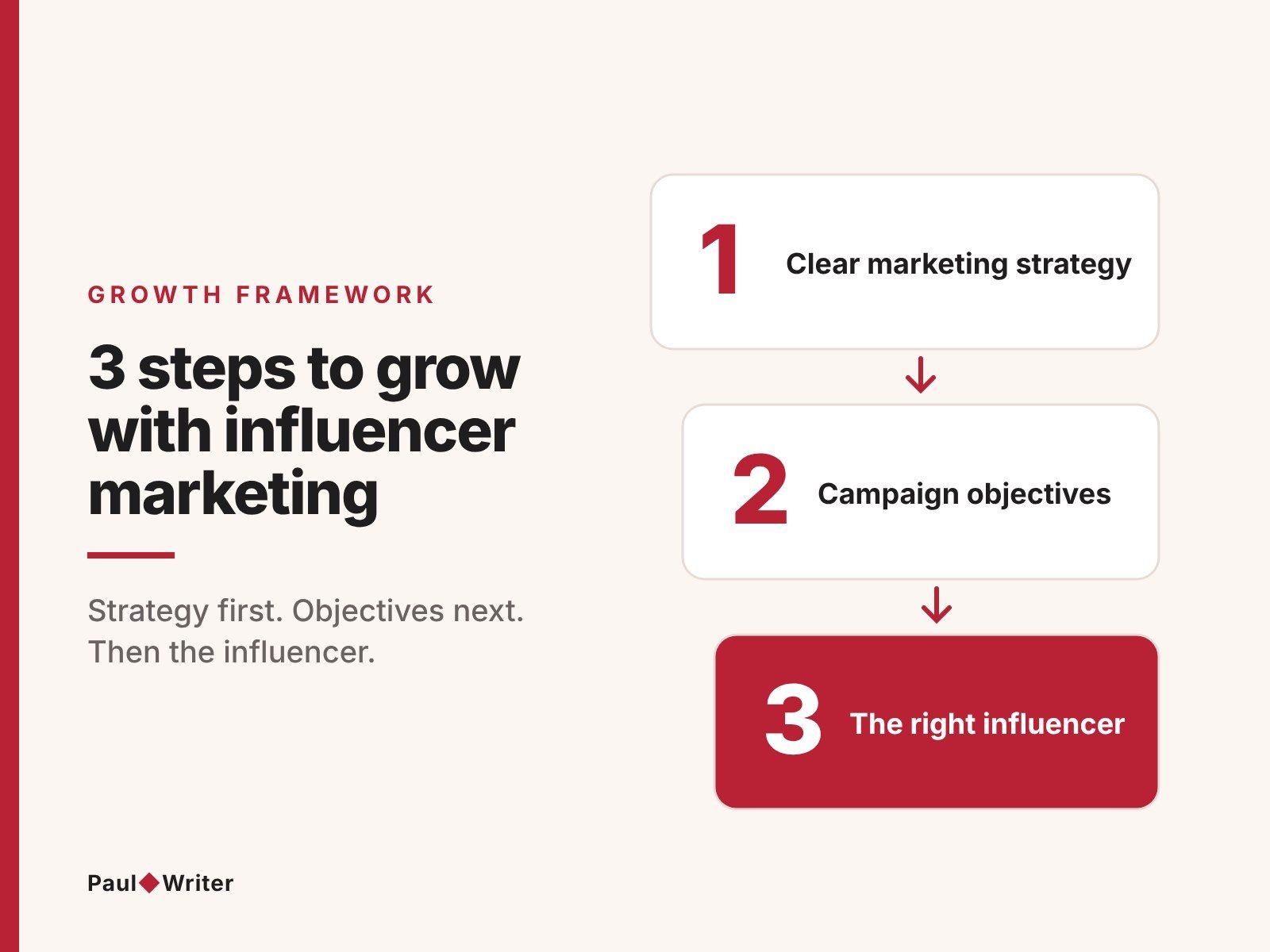
Step 1: Have a clear marketing strategy
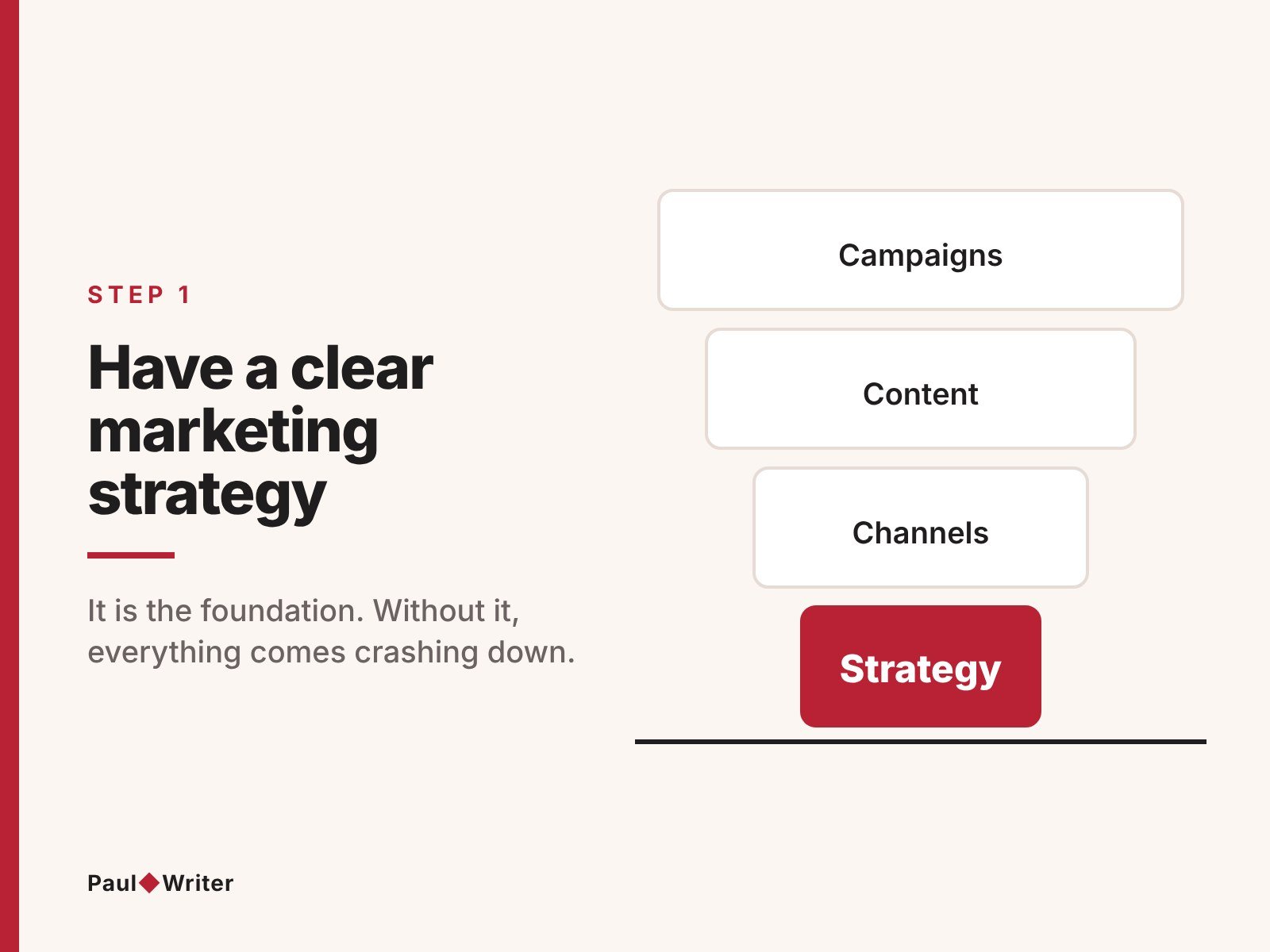
A strategy is the foundation of your marketing campaign, and without one, everything will come crashing down. It is important that you take your time to draft a clear strategy in order to help you maximize the full potential of your campaign. In addition, a clear strategy will help you figure out how to make optimum use of resources available to you.
If you don’t already have a good go-to-market plan, think of building that first. It will save you a lot of pain later.
Step 2: Set your influencer campaign’s main objectives
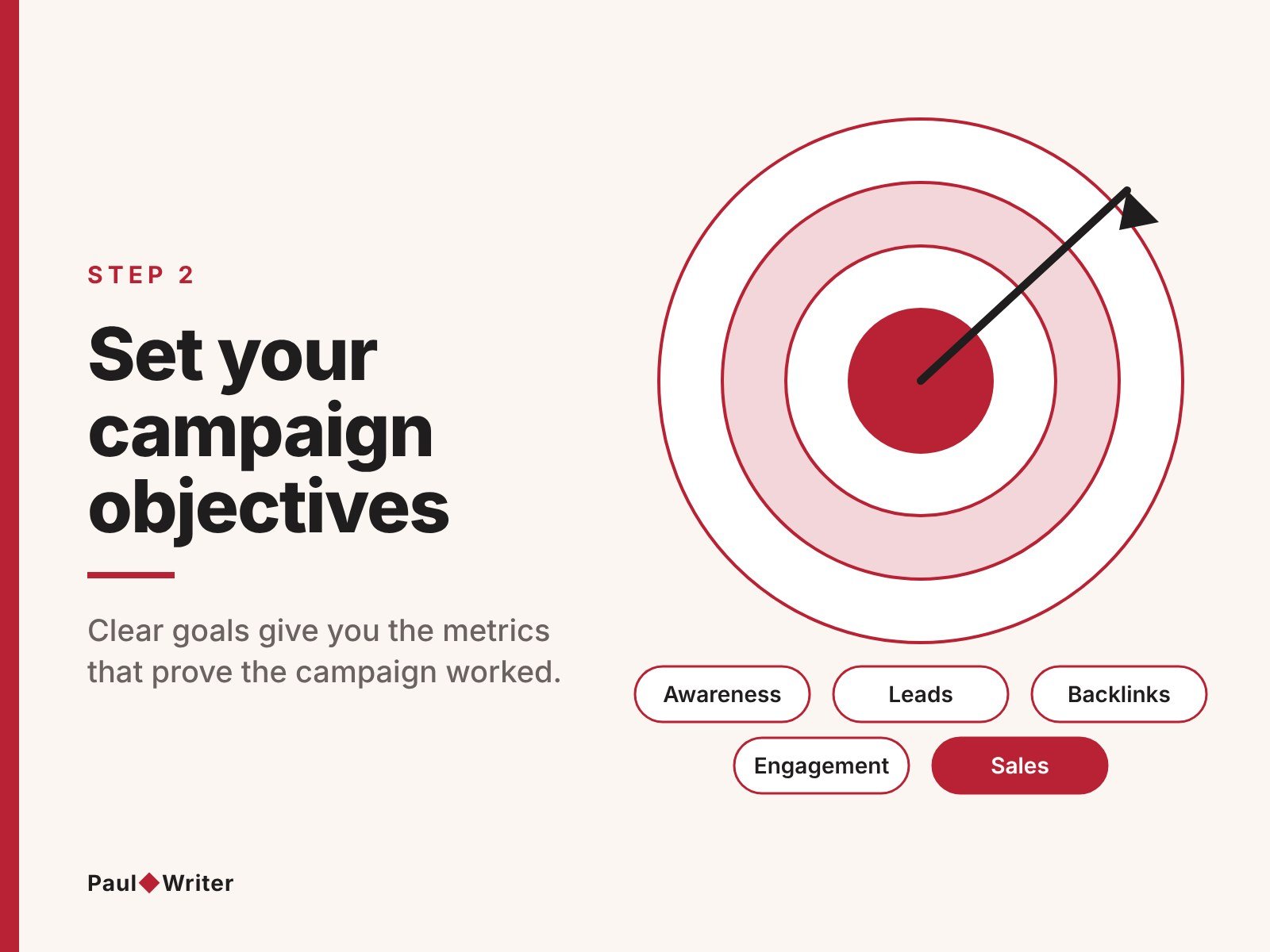
If you’re serious about having a successful campaign, you must clearly define achievable goals and objectives. Without this, you will be moving with the wind. It is important to have a definite direction that you wish to take your brand.
Defining clear campaign goals is crucial to creating an effective influencer marketing framework; these will provide you with the key metrics you should track to determine how effective your campaign is.
You can consider the following goals:
- Raise brand awareness
- Generate more leads
- Build relevant backlinks
- Increase engagement
- Drive more sales
Step 3: Choose the influencer that is best for your marketing campaign:
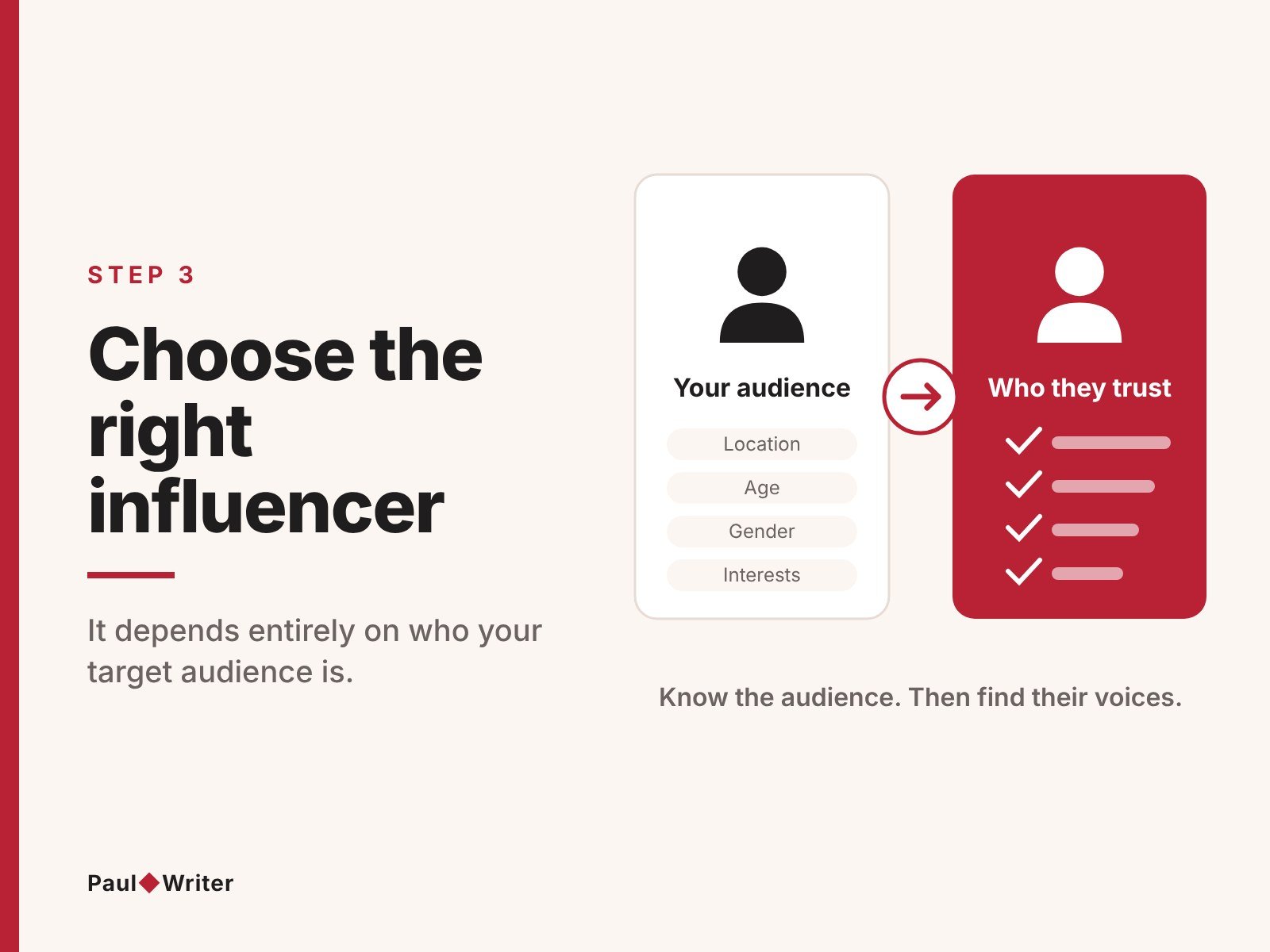
Depends entirely on who are your target audience. This is a critical part of setting up your influencer marketing framework. If you fail to properly identify your target audience, your entire marketing strategy will be dead on arrival. It is imperative to identify the basic demographics of your target audience like location, gender, age, major interests, among others.
As soon as you understand your audience, you can quickly identify the influencers they trust and follow. This will keep you centered when it comes to selecting influencers.
This article by an influencer marketing agency has good examples of influencer marketing partnerships in India.
Message is as important as the messenger
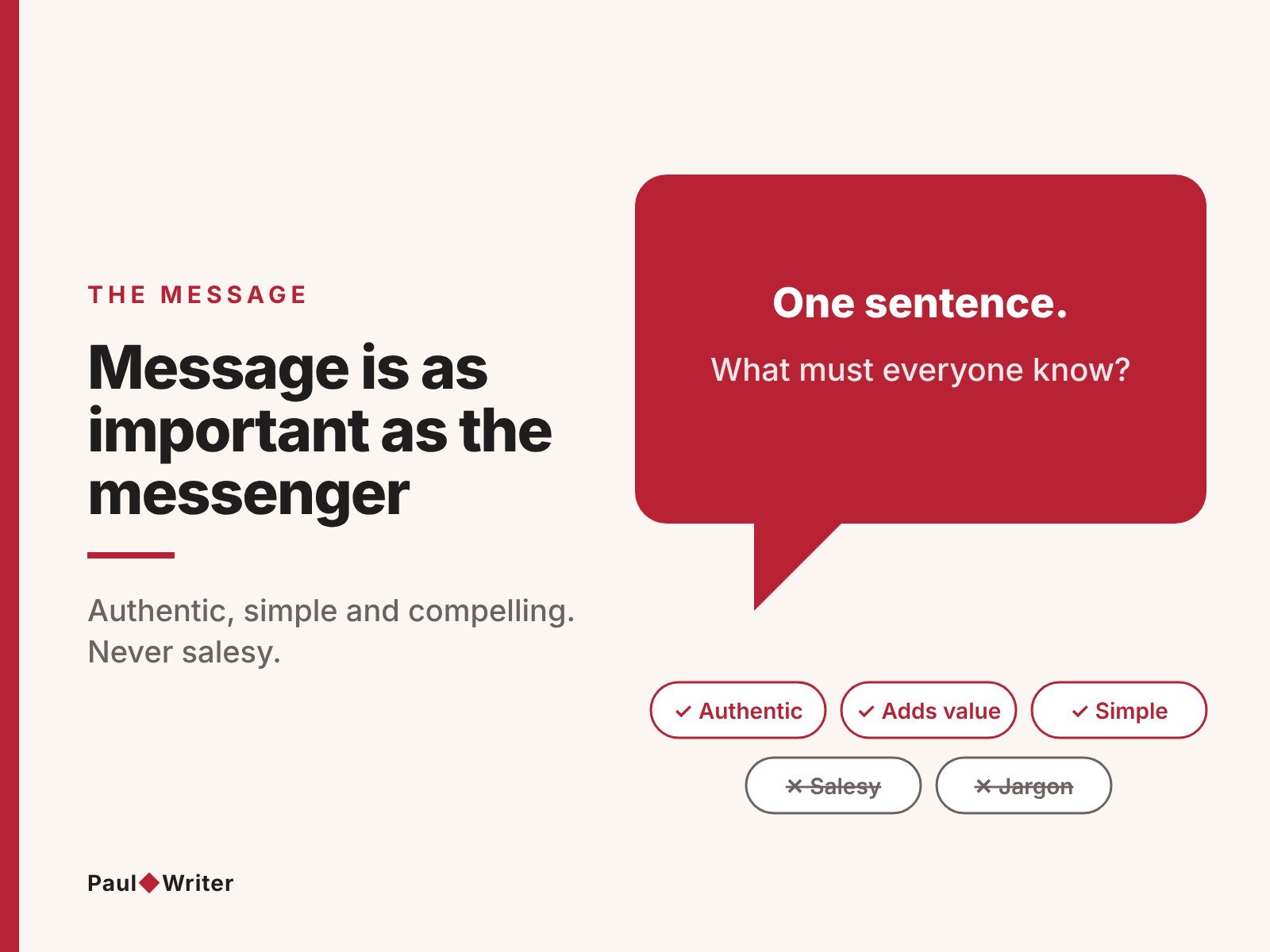
Another critical factor for good Influencer marketing is your message. Your message is as important as your goal. What unique message do you want Influencers to communicate? What is that vital point that everyone should know about your brand? Can it be distilled into one sentence?
Salesy! Your message should be authentic and add value to the receiver. It is also important to note that jargon tends to put people off, so try to keep it simple. In addition, make it compelling and tell your audience why it is necessary for them to take action.
So how do we arrive at the “Message”?
If you don’t already have a positioning framework, you can consider using the ABCD Model – see my analysis of the now-extinct Tata Nano “Fizz or Fizzle” using this model in 2011.
Create a campaign brief for your influencer marketing campaign
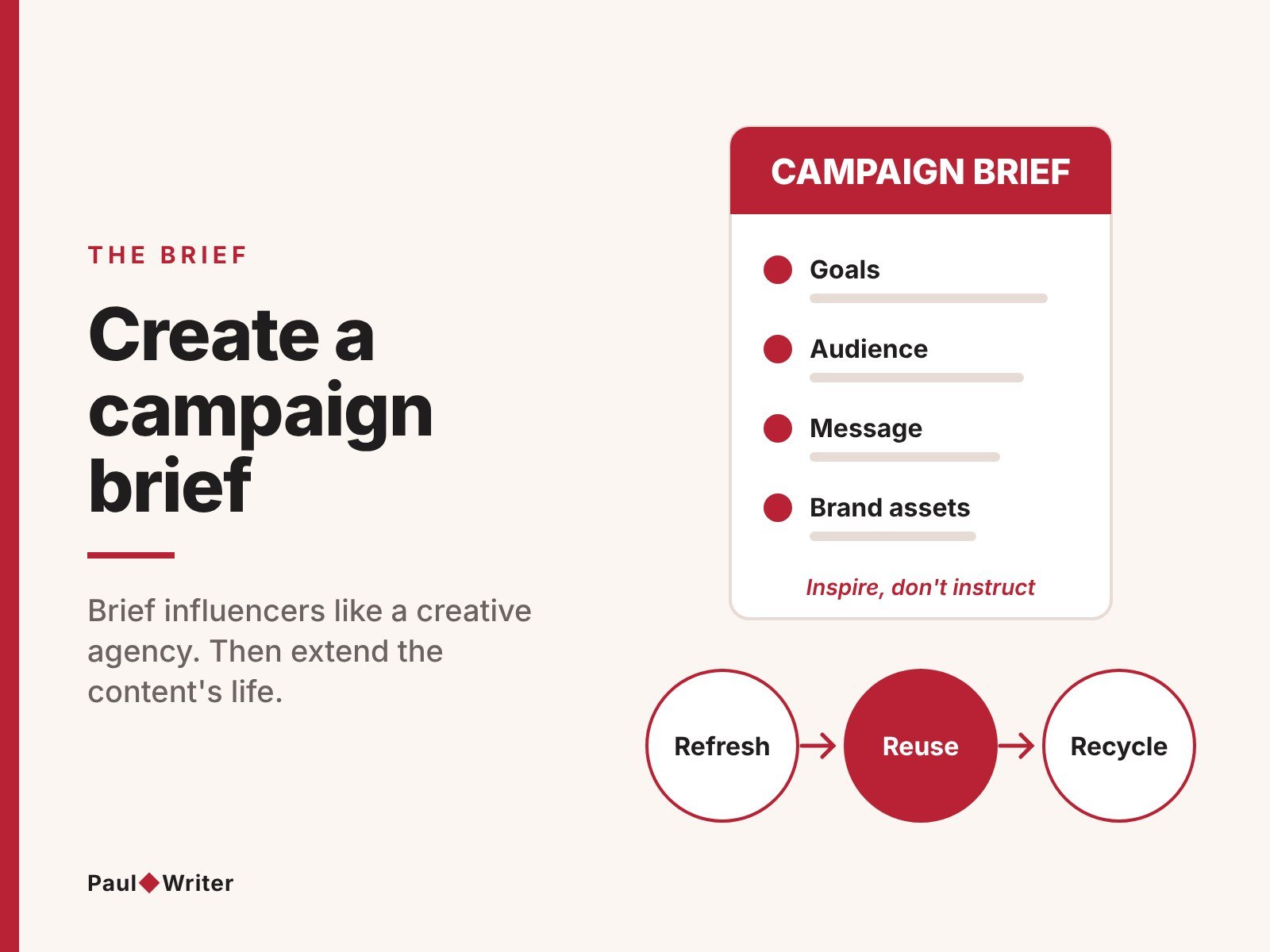
A proper campaign brief is an integral part of your Influencer marketing framework. It will help you provide the right information to the influencer and can prevent unnecessary back and forth communication. Too often, influencer briefs are instructional and not inspirational. But ICE briefs should be similar to your creative briefs.
Inform the influencer about your campaign goals and ensure that they shape the content in accordance with your brand objectives.
Whatever brand assets you get from the ICE community should be treated as complementary to any in-house properties and promoted with the same passion. You can also look to extend the life of your content by making use of the Refresh – Reuse – Recycle methods.
The use of influencer marketing is proving to be more effective than other forms of advertising in achieving higher ROI. But to maximize ROI, it is imperative that you develop an efficient influencer marketing framework.
Conclusion
With proper guidance, there is no doubt that you can unlock the full potential of your campaign. If you would like to discuss your positioning or Influencer outreach strategy, please get in touch with the author at paulwriter@paulwriter.com
Frequently asked questions about influencer marketing
Influencer marketing is the use of trusted voices to shape what people buy. Those voices can be celebrities, niche experts, content curators or ordinary customers writing reviews. It works because we trust recommendations from people we follow more than we trust advertising. It is one of the fastest ways to build reputation, but only with a proper framework.
ICE is my mnemonic for the three players in the influencer ecosystem: Influencers, Curators and Endorsers. Influencers sway buying decisions. Curators filter information and put the most valuable content in front of their audience. Endorsers publicly approve of your product. A strong programme uses all three.
It depends on what you sell. If you have a mass product, you need both: celebrities for reach and micro-influencers for credibility within networks. If you sell to a well-defined niche, micro-influencers can be enough on their own.
Pricing is a combination of reach and transaction value. A celebrity commands a premium for reach. But a niche B2B influencer can be worth just as much when deal sizes are large. If the deal is worth $100,000, a specialist martech voice may be as valuable as a big beauty influencer.
Follow three steps. First, have a clear marketing strategy and go-to-market plan. Second, set specific campaign objectives you can measure. Third, choose influencers based on who your target audience trusts. Then craft a sharp message and brief influencers properly.
Typical goals are raising brand awareness, generating leads, building relevant backlinks, increasing engagement and driving sales. Pick the ones that matter most and define them clearly. They become the metrics that tell you whether the campaign worked.
Start with your audience, not the influencer. Define their location, age, gender and major interests. Once you know who they are, it becomes easy to see whose opinions they trust and follow. Get the audience wrong and the campaign is dead on arrival.
Your campaign goals, target audience, core message and the brand assets influencers can use. Too many briefs are instructional. A good influencer brief should read like a creative brief: it should inspire, not instruct. Then extend the life of the content by refreshing, reusing and recycling it.
Yes. B2B buyers rely on peers, analysts and specialist voices just as consumers rely on creators. The audiences are smaller, but the deal values are far higher. My experience is that a handful of credible niche influencers can move a B2B pipeline more than any celebrity.